
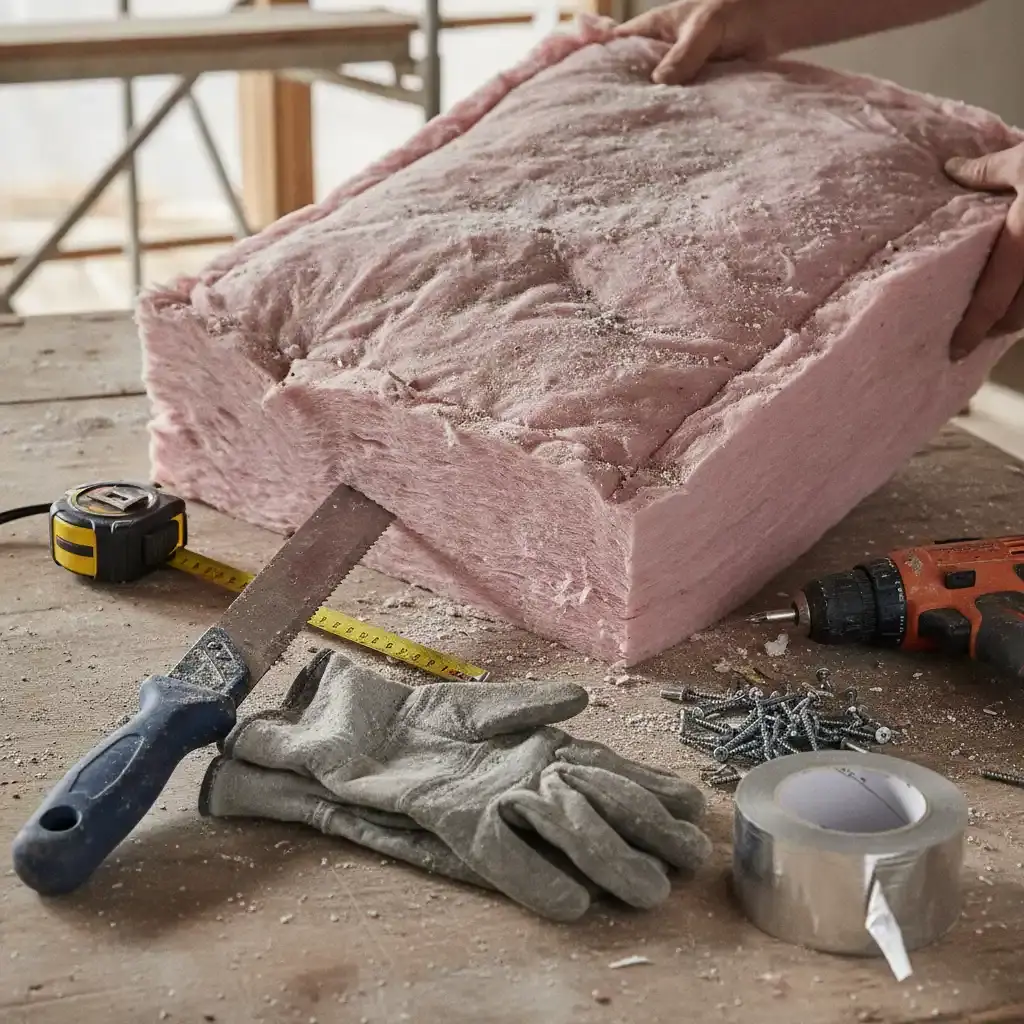
Closed Cell Spray Foam Insulation in Irvine, CA
Energy-Saving Closed Cell Spray Foam Insulation for Irvine, CA Homes — Licensed & Insured
Get professional closed cell spray foam insulation in Irvine, CA. Home Energy Saver offers expert installation for attics, crawl spaces & walls. Call (949) 710-2596 for a free estimate.
Closed cell spray foam insulation is one of the most advanced and high-performance insulation solutions available today, and for homeowners and business owners in Irvine, CA, it represents a smart long-term investment in comfort, energy efficiency, and structural integrity. Unlike open cell foam or traditional fiberglass batts, closed cell spray foam expands to create a dense, rigid barrier that simultaneously insulates, air-seals, and acts as a vapor retarder — all in a single application.
Irvine’s unique coastal-influenced Mediterranean climate, with warm dry summers regularly reaching the upper 80s and cool marine-layer mornings that push humidity into crawl spaces and attics, creates conditions where standard insulation materials simply underperform. The region’s newer master-planned communities and older Village-era homes alike suffer from thermal bridging, air infiltration, and moisture intrusion that closed cell spray foam is specifically engineered to combat.
At Home Energy Saver Insulation, we specialize in closed cell spray foam insulation installation throughout Irvine and the greater Orange County area. Call us today at (949) 710-2596 to schedule your free assessment.

Understanding Closed Cell Spray Foam Insulation
Closed cell spray foam insulation (ccSPF) is a two-component polyurethane foam system composed of isocyanate and polyol resin. When these two chemicals are combined at the spray tip, they react and expand rapidly — typically 30 to 60 times their original liquid volume — before curing into a hard, rigid, closed-cell matrix. The term “closed cell” refers to the structure of the foam itself: each microscopic cell is enclosed and filled with a blowing agent, making the material impermeable to both air and liquid water.
The result is a product with an R-value of approximately R-6.0 to R-7.0 per inch, making it the highest R-value-per-inch insulation available for residential and commercial applications. For comparison, standard fiberglass batt insulation achieves roughly R-3.1 per inch, and open cell spray foam reaches only R-3.7 per inch. This density advantage is particularly meaningful in tight spaces — attic rafters, crawl spaces, and wall cavities — where installation depth is limited.
Read moreShow less
Historically, spray polyurethane foam insulation was developed in the 1940s as a derivative of wartime polymer research, but it didn’t see widespread residential adoption until the energy crisis of the 1970s pushed builders and homeowners toward more aggressive efficiency measures. California adopted its Title 24 Energy Standards in 1978, making the Golden State one of the earliest jurisdictions in the country to codify building energy performance — a standard that has only grown stricter over the decades and now increasingly favors high-performance insulation systems like closed cell spray foam.
In Irvine specifically, the city’s rapid development during the 1970s through 1990s under the Irvine Company’s master plan produced large volumes of tract housing built to the energy codes of those eras. Many of these homes — particularly those in villages like Woodbridge, Westpark, and Northwood — were insulated with materials that, while code-compliant at the time, are now significantly underperforming by modern California energy efficiency benchmarks. Closed cell spray foam is the preferred retrofit solution for bringing these structures into the current century.
Beyond residential use, Irvine’s dense concentration of corporate campuses, medical facilities, and retail centers in areas like the Irvine Spectrum and the Irvine Business Complex benefits enormously from ccSPF’s ability to reduce HVAC loads and improve occupant comfort across large commercial building envelopes.
Why Closed Cell Spray Foam Insulation Is Needed in Irvine, CA
Coastal Climate and the Marine Layer Effect
Irvine sits approximately 8 to 12 miles inland from the Pacific Ocean, close enough to experience the June Gloom phenomenon — a recurring pattern of morning marine layer cloud cover that keeps relative humidity elevated, often reaching 85–95% in early morning hours during May through July. This moisture-laden air infiltrates homes through gaps in the building envelope, settling in attics and crawl spaces where it condenses on cooler surfaces. Over time, this cyclical moisture exposure degrades fiberglass batts, promotes mold growth on wood framing, and causes blown-in cellulose to compact and lose R-value. Closed cell spray foam’s closed-cell matrix is essentially impermeable to this moisture infiltration, with a vapor permeance rating of less than 1 perm at standard thicknesses — qualifying it as a Class II vapor retarder under California Building Code.
The Santa Ana Wind Events
Every fall and winter, Irvine experiences the Santa Ana wind events — hot, dry, powerful offshore wind conditions that routinely push sustained winds of 25 to 45 mph through the Irvine valleys and foothills. During the October 2007 Santiago Fire, which burned over 28,000 acres in the hills above Irvine, the city received urgent reminders of how quickly fire conditions can escalate. These wind events also dramatically spike indoor-outdoor temperature differentials, sometimes pushing exterior temperatures into the upper 90s in October while ocean-facing exposures in neighborhoods like Turtle Rock and Quail Hill experience dramatic pressure differentials across building walls. Standard batt insulation offers no air barrier protection during these events; closed cell spray foam, when applied to the roof deck or wall cavities, creates a continuous air barrier that significantly reduces the infiltration load on HVAC systems during Santa Ana conditions.
Irvine’s Expansive Clay Soils and Crawl Space Challenges
Much of Irvine is underlain by expansive Myford sandy loam and Antioch fine sandy loam soils — common to the Irvine basin — which hold moisture and expand during wet weather cycles. This soil behavior creates hydrostatic pressure against foundation walls and contributes to elevated moisture levels in crawl spaces beneath the city’s many ranch-style and split-level homes in areas like El Camino Real and College Park. Without proper encapsulation, crawl spaces in these neighborhoods become conduits for ground moisture vapor, which then migrates up into the living space. crawl space encapsulation combined with closed cell spray foam on the crawl space walls and rim joists is the recommended solution in these soil conditions.
Title 24 Compliance Pressure
California’s Title 24, Part 6 Energy Code — updated in 2022 — requires that residential additions and remodels in Climate Zone 8, which covers Irvine and most of coastal Orange County, meet specific whole-building performance metrics. Achieving these metrics with traditional insulation alone is increasingly difficult, particularly for homes built before 1990. A 2-inch application of closed cell spray foam to attic rafters achieves R-14, while a 3-inch application reaches R-21 — meeting or exceeding the minimum requirements for Climate Zone 8 without the depth constraints that limit batts in older framing configurations.
Free, no-obligation estimates
Talk to Home Energy Saver Insulation
Tell us what you need and we’ll take it from there.
Signs You Need Closed Cell Spray Foam Insulation in Irvine
Energy Performance Indicators
- Monthly SoCalGas or SCE electricity bills consistently 20–30% above neighborhood averages for your home size
- HVAC system running nearly continuously during Irvine summer afternoons when temperatures exceed 90°F
- Noticeable temperature variation of more than 3–4°F between different rooms on the same floor
- Your home failed a recent blower door test or Title 24 energy audit
Moisture and Air Quality Indicators
- Musty odors emanating from crawl spaces or lower-level rooms, particularly during June Gloom season
- Visible condensation on interior walls or ceilings during cool mornings
- Allergy symptoms worsening indoors, suggesting airborne particulates entering through unsealed penetrations
- Visible mold or mildew on attic sheathing or crawl space joists
Structural and Physical Indicators
- Existing fiberglass batts that are sagging, discolored, or compressed below their rated thickness
- Drafts detectable near electrical outlets, recessed lights, or attic hatches during Santa Ana wind events
- Ice dams visible during rare Irvine cold snaps (while uncommon, temperature inversions do occur in foothill neighborhoods like Turtle Rock)
- Insulation that is more than 15–20 years old and has never been inspected or replaced
Urgency Note: If you are experiencing active moisture intrusion in a crawl space or attic, combined with visible biological growth, contact us immediately at (949) 710-2596 — moisture damage compounds quickly in Orange County’s seasonal humidity cycles. insulation removal and replacement may be necessary before new foam can be applied.
Closed Cell Spray Foam Methods and Approaches
Unvented (Hot) Roof Deck Application
Applied directly to the underside of roof sheathing in attic spaces, this approach converts a vented attic to an unvented conditioned or semi-conditioned space. Particularly effective for Irvine homes with HVAC equipment or ductwork located in the attic — a common configuration in Woodbridge and Westpark tract homes — this method eliminates the thermal penalty of running conditioned air through an unconditioned attic space. California Title 24 specifically recognizes unvented attic assemblies with ccSPF as a compliant approach for Climate Zone 8.
Crawl Space Wall and Rim Joist Application
For Irvine homes with vented crawl spaces — particularly prevalent in older College Park and El Camino Real neighborhoods built in the late 1960s and 1970s — sealing the crawl space perimeter walls and rim joists with closed cell foam creates an unvented crawl space enclosure that dramatically reduces ground moisture vapor entry. crawl space insulation using closed cell foam is our most requested application in Irvine’s west-side neighborhoods.
Wall Cavity Injection and Continuous Barrier Application
For existing walls without open cavity access, we use specialized injection ports to fill wall cavities with two-component foam products. This is particularly applicable during kitchen or bathroom remodels in Irvine’s Quail Hill and Shady Canyon executive homes, where maintaining interior finishes while upgrading performance is a priority.
Hybrid System: Closed Cell Base with Blown-In Topping
For attic floor applications where both air sealing and cost efficiency are priorities, we apply a 1–2 inch ccSPF layer to seal all penetrations and the attic floor, then top with blown-in insulation to achieve the total required R-value. This hybrid approach delivers closed cell foam’s air-sealing performance at a lower total cost than full-depth closed cell application.
Closed Cell Spray Foam Insulation Cost in Irvine, CA
Understanding the cost of closed cell spray foam insulation in Irvine helps you plan your project and evaluate competing proposals accurately. Pricing in Orange County reflects regional material costs, labor market rates, and the specific demands of local building configurations.
Typical Price Ranges
- Closed cell spray foam material and labor: $1.50 – $3.50 per board foot (one square foot at one inch thickness), depending on application location and total project scope
- Attic roof deck application (1,500 sq ft attic, 3-inch application): $4,500 – $8,500 total
- Crawl space wall and rim joist encapsulation (standard Irvine ranch home): $2,500 – $5,500 total
- Whole-home new construction spray foam package: $8,000 – $22,000 depending on home size and design
- Partial wall cavity injection (per room, 500 sq ft of wall): $800 – $2,000
Read moreShow less
Irvine-Specific Cost Factors
Irvine’s higher-than-average home values and premium construction standards create demand for quality installation that reflects in local pricing. Homes in gated communities such as Shady Canyon and Turtle Ridge often require additional coordination with HOA guidelines and may have unique access challenges that affect labor costs. Permit requirements for certain spray foam applications in the City of Irvine Building Department may add $200–$600 to project costs but provide important documentation for future resale.
Return on Investment
Irvine homeowners typically report energy bill reductions of 20–40% following closed cell spray foam installation, based on pre- and post-installation utility data. With average SoCal Edison residential bills running $180–$280/month for mid-size Irvine homes during summer peak periods, payback periods of 4–8 years are common before considering any available utility rebates through SCE’s Energy Savings Assistance Program.
Call (949) 710-2596 for a detailed, no-obligation written estimate specific to your Irvine property.
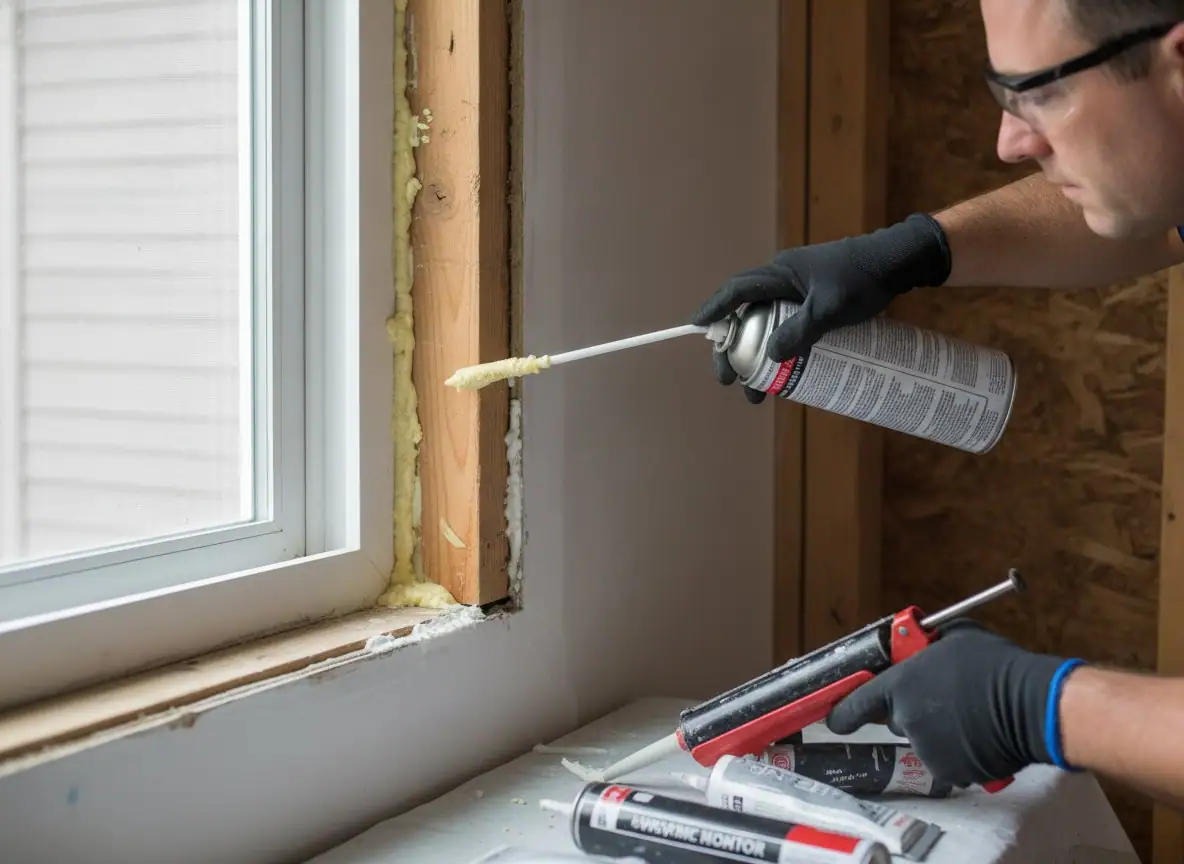
Irvine Neighborhoods We Serve
Woodbridge (Built 1970s–1980s)
One of Irvine’s original master-planned villages, Woodbridge features a large inventory of two-story track homes built to 1970s energy codes with fiberglass batt insulation that is now 40–50 years old. Many homes in Woodbridge have never had insulation upgraded, and their attics — frequently housing original builder-grade HVAC equipment — are prime candidates for unvented roof deck ccSPF application.
Northwood (Built 1980s–1990s)
Northwood’s mix of single-family homes and townhomes often features shared wall assemblies and vented crawl spaces that experience significant moisture infiltration from the area’s proximity to natural drainage channels feeding into Borrego Creek. Closed cell foam crawl space encapsulation is particularly high-value in this neighborhood.
Turtle Rock (Built 1970s–Present)
Situated in the foothills of Irvine, Turtle Rock homes face elevated exposure to Santa Ana wind pressure differentials and benefit significantly from ccSPF’s dual role as insulation and air barrier. Many larger custom and semi-custom homes here are undergoing energy retrofits to meet current California standards.
Great Park Neighborhoods (Built 2010s–Present)
Irvine’s newest urban village surrounding the Great Park features contemporary construction that often already incorporates spray foam in some assemblies, but many buyers and builders choose to upgrade to full closed cell applications for maximum Title 24 performance and comfort in these high-density residential buildings.
Maintenance Tips for Closed Cell Spray Foam Insulation in Irvine
Closed cell spray foam is one of the most durable insulation materials available, but proper maintenance ensures it performs at its rated levels throughout its lifespan in Irvine’s climate.
- Annual Attic Inspection: Schedule a visual attic inspection each fall before Santa Ana wind season. Look for any new penetrations created by electrical work, plumbing, or pest activity that may have compromised the foam barrier.
- Crawl Space Moisture Monitoring: Install a digital hygrometer in your crawl space and check readings monthly during Irvine’s June–August marine layer season. Relative humidity above 60% persistently warrants further investigation.
- Protect Exposed Foam from UV: Any closed cell foam visible in garages or unfinished spaces should be covered with thermal barrier material (drywall or intumescent coating) per California Building Code — this also protects foam from UV degradation over time.
- HVAC Filter Changes: After converting to a sealed attic system, ensure HVAC filters are changed every 60–90 days, as the tighter building envelope concentrates indoor air quality management at the filtration system.
- Pest Inspection Coordination: Irvine’s warm climate supports termite activity. Notify your pest control provider that ccSPF is installed so they use application methods compatible with spray foam assemblies.
- Post-Earthquake Check: Following any seismic event above magnitude 4.0 — not uncommon in Orange County — perform a visual inspection of foam at wall-to-foundation connections where movement stress concentrates.
- Re-inspect After Major Plumbing Work: Plumbers working in ccSPF-insulated crawl spaces or walls occasionally cut through foam. Always request a re-inspection of insulation continuity after significant plumbing or HVAC work.
Why Choose Home Energy Saver Insulation in Irvine?
Home Energy Saver Insulation is a locally rooted insulation contractor serving Irvine and Orange County with a focused commitment to quality craftsmanship and genuine client education. We are not a national franchise — we are your neighbors, and we understand the specific building stock, climate patterns, and regulatory environment that affect insulation performance in Irvine, CA.
Our technicians are trained specifically in spray polyurethane foam installation, and we use calibrated proportioning equipment — not disposable kit systems — to ensure consistent and verifiable foam quality on every project. We are familiar with the City of Irvine Building Department permitting process, HOA requirements in communities like Northpark and Shady Canyon, and the Title 24 documentation standards that matter when you sell or refinance your home.
Read moreShow less
We serve all of Irvine’s villages as well as surrounding Orange County communities including Newport Beach, Mission Viejo, Lake Forest, and Huntington Beach. Whether you need spray foam insulation, attic insulation, or a complete insulation replacement, we bring the same meticulous approach to every project.
Call us at (949) 710-2596 to speak directly with an insulation specialist who knows Irvine’s homes inside and out — literally.
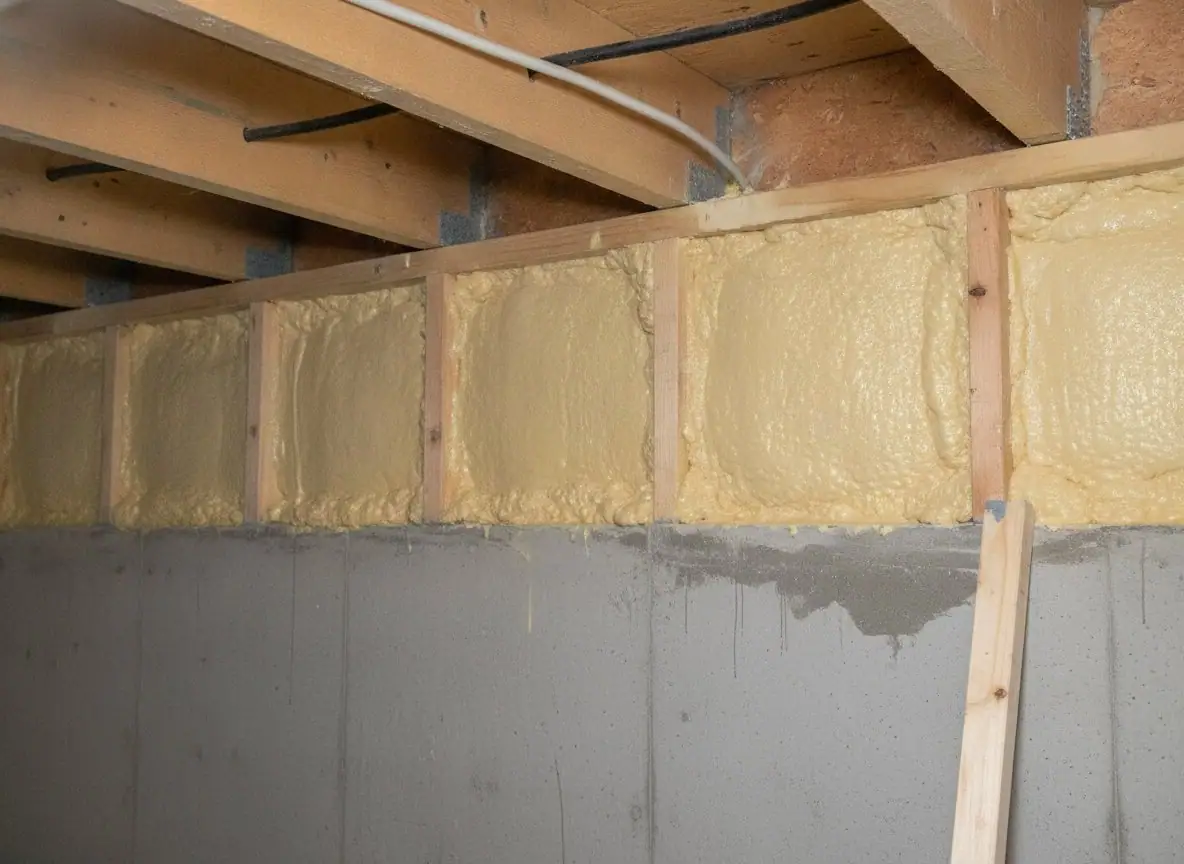
FAQ
Frequently Asked Questions: Closed Cell Spray Foam Insulation in Irvine, CA
How much does closed cell spray foam insulation cost in Irvine?
In Irvine, closed cell spray foam typically costs between $1.50 and $3.50 per board foot installed, which translates to roughly $4,500–$8,500 for a standard attic roof deck application on a 1,500 square foot attic at 3 inches thickness. Crawl space encapsulation projects generally range from $2,500 to $5,500. Irvine’s higher labor market rates and HOA compliance requirements can influence final pricing — contact us at (949) 710-2596 for a written estimate specific to your address.
Is closed cell spray foam worth it in Irvine’s climate?
Yes — Irvine’s combination of coastal humidity, Santa Ana wind pressure events, and strict California Title 24 energy standards makes closed cell foam’s dual insulation and air-sealing performance particularly valuable. Irvine homeowners typically see 20–40% reductions in cooling and heating costs, with most projects paying back through energy savings within 4–8 years.
How long does the installation take for an Irvine home?
A typical attic or crawl space application on an Irvine single-family home takes one full day (6–10 hours) from setup through cleanup. Larger projects — whole-home new construction foam applications in communities like Great Park Neighborhoods — may require 2–3 days. We schedule morning start times to avoid Irvine’s afternoon heat, which can affect application conditions in attic spaces during summer months.
Does the City of Irvine require permits for spray foam insulation?
Permits are generally required for spray foam applications that change the attic or crawl space classification (such as converting to an unvented attic assembly) or that are part of a larger remodeling project. Standalone re-insulation projects replacing existing materials in like-for-like configurations may not require permits. We assist all Irvine clients in determining permit requirements and can handle the City of Irvine Building and Safety permit submission process.
How does closed cell foam compare to open cell foam for Irvine homes?
For most Irvine applications, closed cell foam is the superior choice due to its higher R-value per inch (R-6 to R-7 vs. R-3.7), its vapor barrier properties critical for controlling coastal humidity infiltration, and its structural rigidity which adds racking strength to wall assemblies. Open cell foam, while less expensive, is vapor-permeable and can absorb moisture — a significant concern in Irvine’s marine-layer-influenced climate. We do use open cell foam in specific applications where vapor permeability is desired, but closed cell is our recommendation for attics and crawl spaces in this region.
Can closed cell spray foam be installed in my Woodbridge or Northwood home without major disruption?
Absolutely. The vast majority of closed cell foam projects in Irvine’s older villages are completed with no interior disruption to living spaces. Attic applications are accessed through existing attic hatches, and crawl space work is performed through existing access panels. Residents can typically return to their home within a few hours of project completion once ventilation protocols are complete.
Will closed cell spray foam help with noise reduction in Irvine?
Yes, though noise reduction is a secondary benefit rather than the primary function. Closed cell foam adds mass and eliminates air gaps through which sound travels, which reduces airborne noise transmission through walls and roof assemblies. For Irvine homeowners near the I-5, I-405, or the Irvine Spectrum entertainment district, the incremental sound attenuation can be a noticeable quality-of-life improvement in addition to the thermal and moisture control benefits.
Does closed cell spray foam help with wildfire protection?
Closed cell spray foam, when properly covered with a thermal barrier like drywall, does not contribute to fire spread and can reduce the infiltration of smoke and embers through the building envelope during events like the Santa Ana wind-driven fire conditions Irvine experiences. However, it is not a standalone fire protection system. We recommend discussing your specific fire resilience goals with our team during your assessment.
Get a Free Closed Cell Spray Foam Estimate in Irvine Today
If you’re ready to transform your Irvine home’s comfort, energy efficiency, and moisture control with professional closed cell spray foam insulation, Home Energy Saver Insulation is ready to help. Our team serves all of Irvine’s villages — from Woodbridge and Northwood to Turtle Rock, Quail Hill, and the Great Park Neighborhoods — as well as communities throughout Orange County including Newport Beach, Mission Viejo, Huntington Beach, and Laguna Niguel.
Don’t let another hot Irvine summer or marine-layer winter drain your energy budget. Call us now at (949) 710-2596 to speak with a local spray foam specialist and schedule your free, no-obligation on-site assessment. We’ll provide a detailed written estimate, answer all your questions, and help you determine the best insulation approach for your specific home, budget, and performance goals.
Call (949) 710-2596 — Irvine’s trusted closed cell spray foam insulation team.
Get in touch
Find insulation help near you
Request a free estimate online or give us a call — our team will follow up quickly.
- Call us(949) 710-2596
- Visit22 Thomas, Irvine, CA 92618
- HoursMon-Sun 07:00-19:00