
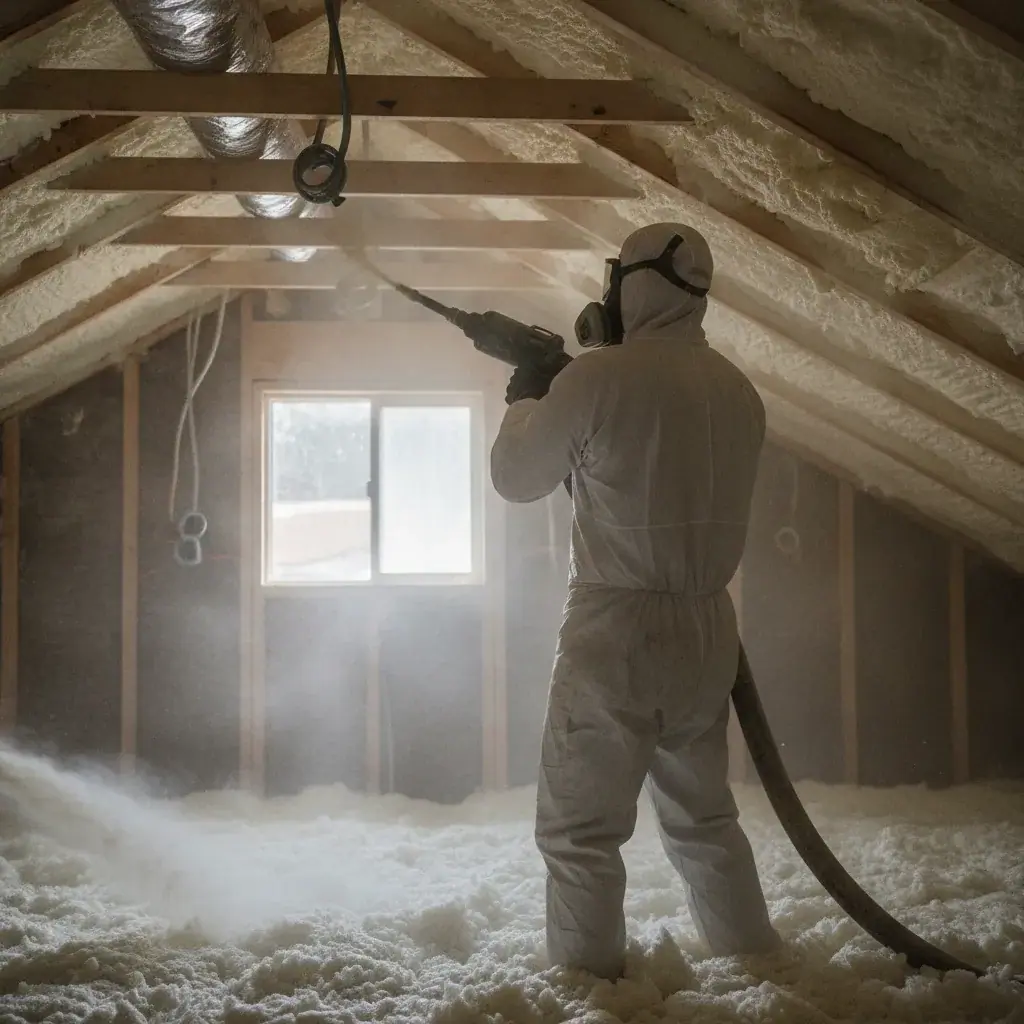
Floor Insulation in Irvine, CA
Energy-Saving Floor Insulation for Irvine, CA Homes — Licensed & Insured
Expert floor insulation in Irvine, CA. Home Energy Saver Insulation offers crawl space, spray foam & batt solutions. Free estimates — call (949) 710-2596 today.
Floor insulation is the process of adding thermal and acoustic barrier materials beneath your home’s living spaces — whether over a crawl space, slab, or between floor joists — to regulate indoor temperatures, reduce energy loss, and improve comfort year-round. In Irvine, CA, where the Mediterranean climate brings warm, dry summers and mild but occasionally cool winters, floor insulation plays a surprisingly critical role in keeping energy costs manageable and homes comfortable in every season.
Irvine’s unique mix of master-planned communities, slab-on-grade homes, and older tract housing with vented crawl spaces creates highly varied insulation needs that demand local expertise. At Home Energy Saver Insulation, we specialize in delivering professional floor insulation solutions tailored specifically to Irvine homes and Orange County’s building stock. Whether you’re in a newer Portola Springs townhome or an older University Park single-family residence, our team assesses your specific construction type and insulation needs to deliver lasting results. Call us today at (949) 710-2596 to schedule a free evaluation.
Understanding Floor Insulation
Floor insulation refers to any material installed beneath your living space’s subfloor to create a thermal break between conditioned interior space and unconditioned areas below — such as a crawl space, garage, or outdoor ambient environment. The fundamental principle is simple: heat naturally moves toward cooler spaces, and without proper insulation, your heated or cooled air escapes through your floors at a significant rate, forcing your HVAC system to work harder and driving up utility bills.
The concept of insulating floors has evolved considerably over decades. Early 20th-century California homes frequently used minimal or no floor insulation, relying instead on natural ventilation and the mild coastal climate. By the 1970s energy crisis, building codes began requiring more substantial thermal envelopes. California’s Title 24 Building Energy Efficiency Standards, first adopted in 1978 and updated regularly since, have progressively raised minimum R-value requirements for floors — with current standards in California Climate Zone 8 (which encompasses Irvine) recommending floor insulation of R-19 or higher for homes over uncrawl spaces.
Read moreShow less
In Irvine specifically, the city’s rapid development from the 1960s through the 2000s produced multiple generations of residential building types. The Irvine Company’s master-planned communities — from the earliest tracts in University Park (developed starting in 1971) to newer villages like Orchard Hills and Great Park Neighborhoods — reflect different eras of construction standards and insulation practices. Older homes from the 1970s and 1980s frequently have inadequate or degraded floor insulation, while post-2010 construction tends to meet modern energy codes but may still benefit from upgrades.
Common floor insulation materials include fiberglass batts, blown-in cellulose, rigid foam board, and spray polyurethane foam (SPF). Each has distinct R-values per inch, moisture resistance properties, and ideal applications. For example, fiberglass batts are cost-effective in standard joist bays, while closed-cell spray foam is ideal for crawl space encapsulation projects — a common need in Irvine’s older Turtle Rock and Quail Hill neighborhoods where ground moisture can degrade traditional insulation over time.
Understanding which approach is appropriate for your specific home requires a thorough assessment of your floor system, existing insulation condition, moisture levels, and local climate factors — all of which our team evaluates before recommending any solution.
Why Floor Insulation Is Needed in Irvine, CA
Irvine’s location in the inland foothills of Orange County creates a distinctive microclimate that directly impacts floor insulation needs. Situated approximately 10 miles from the Pacific coast, Irvine experiences what meteorologists classify as a semi-arid Mediterranean climate (Köppen BSk/Csa boundary), with average summer highs reaching 85–92°F in July and August and winter lows dipping to 40–45°F on cold January nights. This 45–50 degree seasonal swing means floor assemblies must handle both heat gain and heat loss, unlike coastal cities like Laguna Beach that experience far milder temperature ranges.
The Santa Ana winds are a defining climate event for Irvine homeowners. These offshore, downsloping wind events — occurring predominantly between October and March — can drive temperatures above 90°F even in winter while simultaneously dropping indoor relative humidity below 10%. The 2007 Witch and Harris fires, driven by Santa Ana conditions, destroyed thousands of homes in nearby communities and prompted widespread rebuilding in Irvine’s adjacent foothills. Rebuilt homes in areas like Portola Springs required updated floor assemblies that account for both fire resistance and thermal performance. Even existing Irvine homes experience accelerated drying of crawl space timbers and subfloor materials during these events, creating gaps and shrinkage in older batt insulation that reduce effective R-values by 20–30% over time.
Read moreShow less
Irvine’s soil conditions also contribute significantly to floor insulation needs. The city sits on expansive clay soils — particularly prevalent in the Northwood and Woodbridge neighborhoods — that swell with winter rain and contract severely during dry summers. The 2022–2023 atmospheric river events brought record rainfall to Orange County, with some Irvine monitoring stations recording over 14 inches between December 2022 and March 2023 (compared to a typical annual average of 12.6 inches). This sudden soil saturation created elevated moisture levels in crawl spaces throughout older Irvine tracts, compromising fiberglass batt insulation that had been in place since the 1980s.
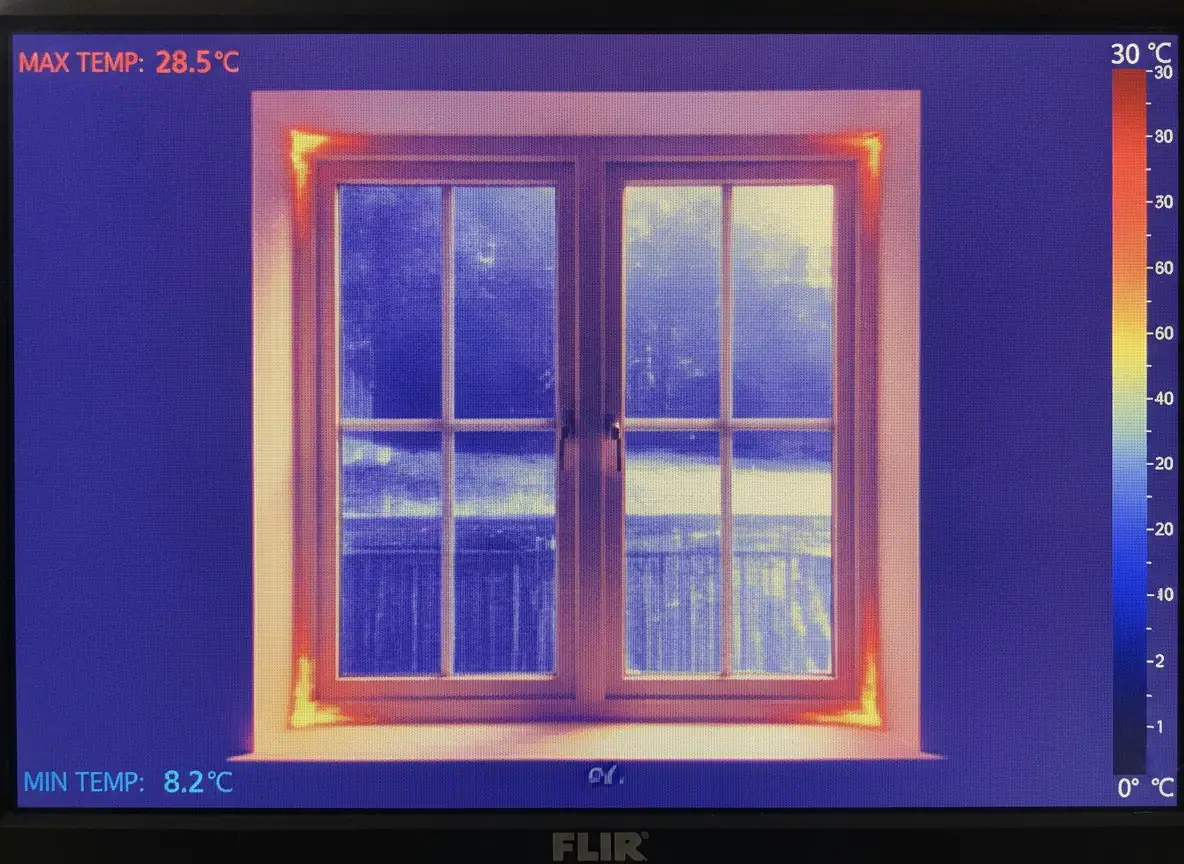
The Irvine Unified School District’s data consistently shows Irvine families spend disproportionate amounts on energy relative to comparable California cities — a 2022 Southern California Edison report identified Irvine ZIP codes 92612 and 92604 as having some of the highest residential electricity consumption in Orange County, largely attributed to aging building envelopes in older Irvine Company tracts. Poor floor insulation is a key contributor, with thermal imaging studies showing floor heat loss accounting for up to 15–20% of total building envelope losses in single-story homes over vented crawl spaces.
Additionally, Irvine’s premium real estate market — with median home prices consistently exceeding $1.1 million — means that energy efficiency directly impacts property value and buyer appeal. Homes with documented insulation upgrades command measurable premiums in neighborhoods like Shady Canyon, Turtle Rock, and University Hills, where sophisticated buyers increasingly request energy audit reports before purchase.
Finally, the city’s ambitious climate goals under the Irvine 2035 Climate Action Plan call for significant reductions in residential energy consumption. Floor insulation upgrades are among the most cost-effective measures Irvine homeowners can take to contribute to these targets while simultaneously reducing their own utility costs.
Free, no-obligation estimates
Talk to Home Energy Saver Insulation
Tell us what you need and we’ll take it from there.
Signs You Need Floor Insulation in Irvine
Temperature and Comfort Symptoms
- Floors that feel noticeably cold in winter, especially in the morning when Irvine overnight lows drop to 40°F or below
- Uneven temperatures between rooms on the same floor level, or warm floors in summer that make barefoot walking uncomfortable
- HVAC system running excessively during summer heat spikes above 90°F without achieving desired thermostat settings
- Persistent cold drafts at floor level near exterior walls, particularly in Northwood or Woodbridge homes with vented crawl spaces
Energy and Utility Bill Indicators
- Monthly SCE electricity bills exceeding seasonal norms — Irvine average residential bills hover around $150–$180/month, and significantly higher bills often indicate envelope losses
- A noticeable spike in utility costs following Santa Ana wind seasons or after a wet winter that may have introduced crawl space moisture
Physical and Structural Symptoms
- Visible sagging, fallen, or wet fiberglass batts when inspecting the crawl space beneath your home
- Musty or damp odors rising from floor vents, indicating moisture infiltration that degrades existing insulation
- Pest or rodent activity in crawl spaces — common in Irvine’s older tracts — that has damaged or displaced floor insulation
- Squeaky or soft subfloor sections that may indicate moisture damage associated with failed insulation below
Urgency Indicators
If you observe standing water in a crawl space, visible mold on floor joists, or insulation that is more than 20 years old, treat this as an urgent situation requiring immediate professional evaluation. Contact us at (949) 710-2596.
Floor Insulation Methods and Approaches
Fiberglass Batt Insulation
The most commonly used method for homes with accessible joist bays, fiberglass batts provide R-13 to R-21 performance and are cost-effective for Irvine’s standard 2×10 floor joist construction. Best suited for dry, well-ventilated crawl spaces in neighborhoods like Woodbridge or Turtle Rock where moisture levels are controlled. Learn more about our insulation installation services.
Spray Foam Insulation
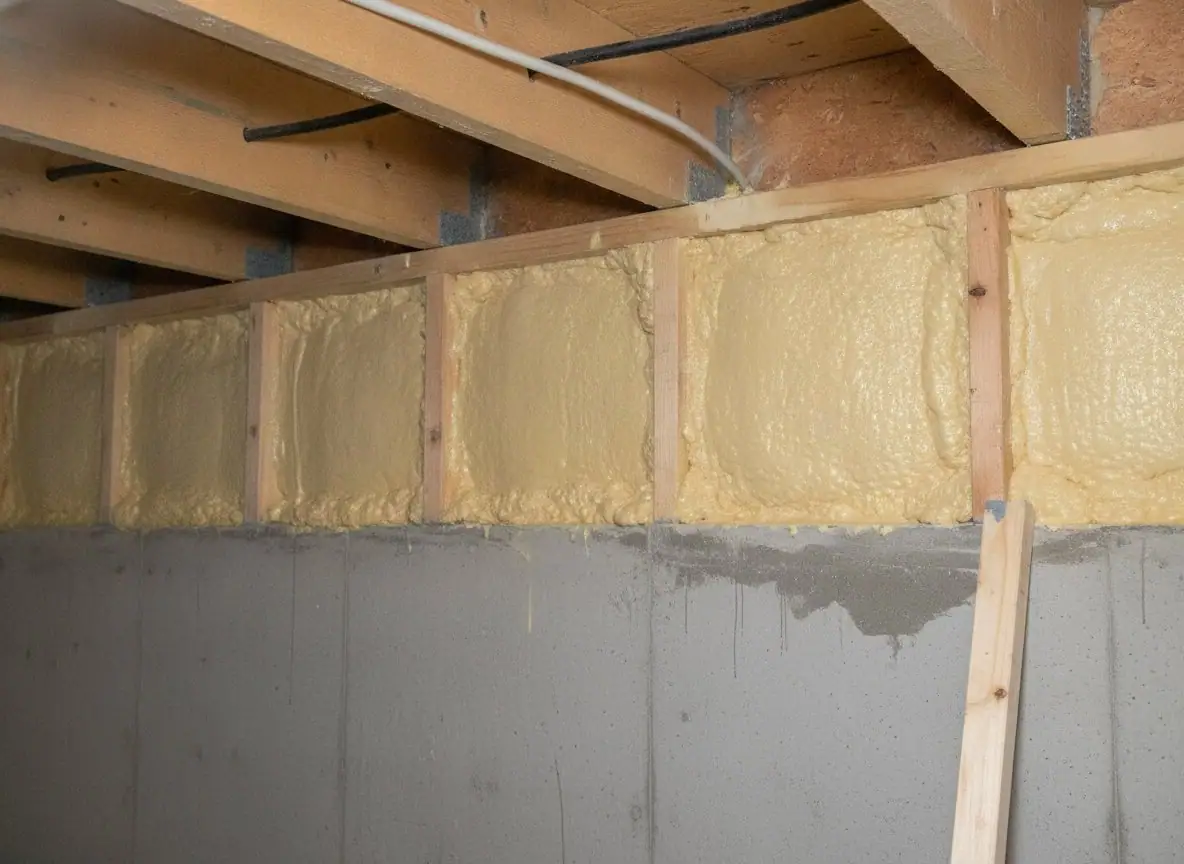
Closed-cell spray foam insulation provides both superior R-value (R-6 to R-7 per inch) and a moisture/vapor barrier in a single application. Ideal for Irvine crawl spaces with documented moisture issues, rim joist sealing, and homes near the Peters Canyon Wash or San Diego Creek corridor where seasonal water tables fluctuate. This is our recommended approach for maximum performance and longevity.
Learn moreBlown-In Insulation
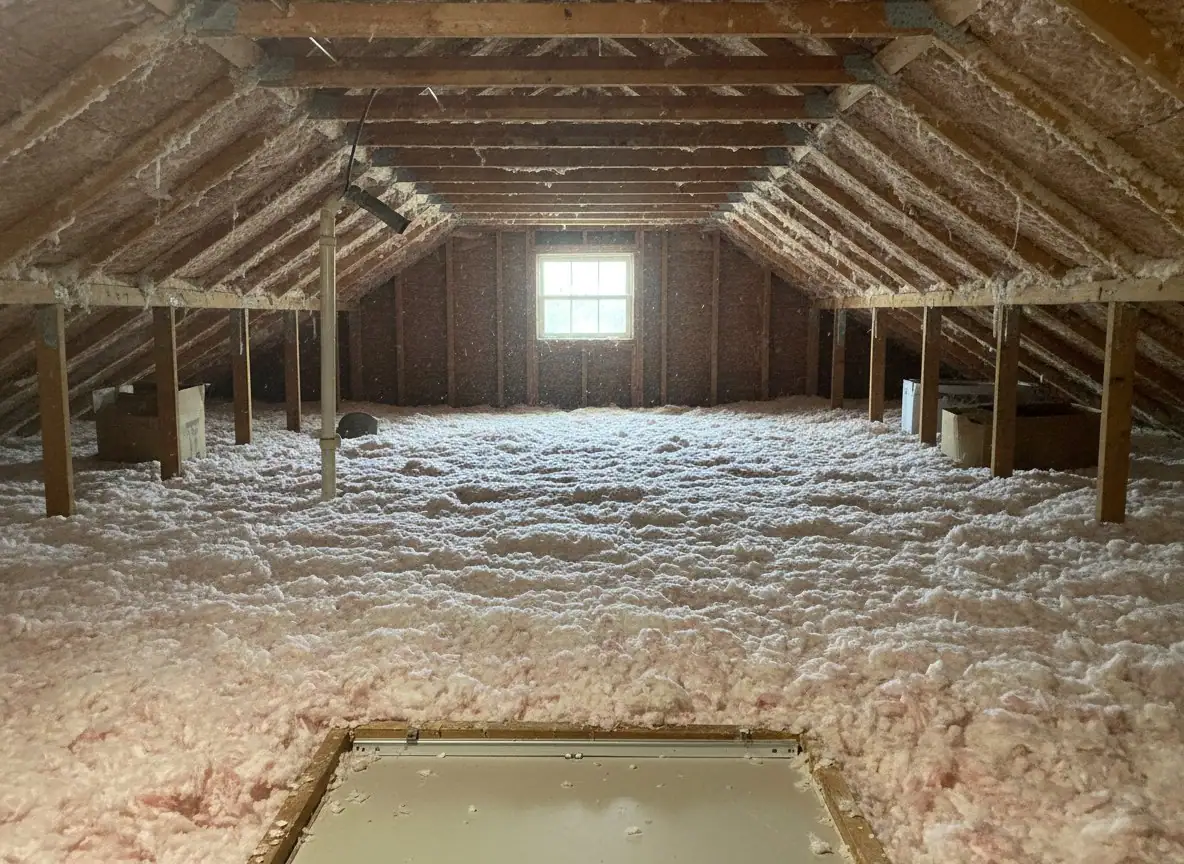
Blow-in insulation — using cellulose or fiberglass — is excellent for irregularly shaped floor cavities or areas with limited access. It conforms perfectly to odd joist spacing common in Irvine’s custom-built Shady Canyon and Turtle Ridge estates.
Crawl Space Encapsulation
For Irvine homes with significant moisture challenges, full crawl space encapsulation combines vapor barriers, rim joist insulation, wall insulation, and controlled ventilation into a complete moisture management system — often the most cost-effective long-term solution for older Irvine tracts.
Rigid Foam Board
Used primarily in slab-on-grade applications and garage floor assemblies, rigid foam boards provide stable R-values in tight spaces where batts or blown-in materials aren’t practical — applicable in many Irvine attached townhome communities like Quail Hill and Woodbury.
Floor Insulation Cost in Irvine, CA
Understanding floor insulation costs helps Irvine homeowners plan and budget effectively. Pricing varies based on home size, access conditions, existing insulation status, and materials selected. Below are typical ranges for Irvine residential projects:
Typical Cost Ranges
- Fiberglass Batt Floor Insulation: $1.50–$3.00 per square foot installed (R-19 in standard joist bays). A typical 1,500 sq ft Irvine single-story home ranges from $2,250–$4,500.
- Spray Foam Floor/Crawl Space Insulation: $3.00–$7.00 per square foot installed. Full crawl space treatment for a 1,500 sq ft footprint typically runs $4,500–$10,500 depending on depth and conditions.
- Blown-In Floor Insulation: $2.00–$4.00 per square foot, averaging $3,000–$6,000 for a mid-sized Irvine home.
- Crawl Space Encapsulation (Full System): $5,000–$15,000+ depending on crawl space size, moisture severity, and drainage requirements — common in larger Northwood and East Irvine homes.
- Insulation Removal (Prior to Replacement): $1.00–$2.50 per square foot, or $1,500–$3,750 for a typical Irvine home.
Read moreShow less
Factors Affecting Floor Insulation Cost in Irvine
- Crawl space height and accessibility — Irvine’s older tracts often have shallow crawl spaces requiring more labor
- Extent of existing insulation removal needed
- Moisture remediation requirements following wet winters
- Pest damage repair prior to installation
- Local labor costs in Orange County (generally 15–20% above the national average)
California utility rebates through Southern California Edison and SoCalGas may offset portions of eligible insulation upgrades. Ask our team about current incentive programs available to Irvine residents. Call (949) 710-2596 for a free, no-obligation estimate.
Irvine Neighborhoods We Serve
University Park (Established 1971)
One of Irvine’s earliest master-planned villages, University Park homes are predominantly single-story ranch styles built in the early 1970s with vented crawl spaces and minimal original insulation. These homes frequently have fiberglass batts that have sagged, compressed, or become moisture-laden over 50+ years and are prime candidates for full insulation replacement or spray foam upgrades.
Woodbridge (Established 1977)
Woodbridge’s mix of two-story homes and townhomes, built primarily between 1977 and 1990, presents unique floor insulation challenges including garage-to-living-space floor assemblies and shared wall/floor systems in attached units. Air sealing at floor perimeters is particularly important in these homes.
Turtle Rock (Established 1974)
Situated in Irvine’s hilly western portion, Turtle Rock homes often feature split-level designs and partial crawl spaces that require specialized insulation approaches. The hillside topography can create elevated moisture exposure on the downhill side of lots, accelerating insulation degradation.
Northwood (Established 1984)
Larger two-story homes in Northwood, built predominantly in the 1980s and 1990s, frequently have floor assemblies over three-car garages requiring rigid foam or spray foam treatment to prevent the garage from acting as a thermal drain on living spaces above.
Great Park Neighborhoods (Established 2013–Present)
Irvine’s newest village features modern construction meeting current Title 24 standards, but some homeowners seek above-code upgrades for premium comfort and resale value, particularly in the higher-end Beacon Park and Ilara sections.
Floor Insulation Maintenance Tips for Irvine Homeowners
- Inspect your crawl space annually — ideally after each rainy season (typically March–April in Irvine) to check for moisture intrusion, standing water, or damaged vapor barriers before they compromise your insulation.
- Monitor crawl space vents — ensure screened foundation vents are clear of debris and functioning properly. Irvine’s Santa Ana wind season (October–March) can pack vents with leaves and dry vegetation.
- Check for pest activity — rodents and insects are drawn to warm crawl spaces and can shred fiberglass batts. Orange County’s mild winters mean pest pressure continues year-round in Irvine.
- Maintain gutters and grading — ensure water drains away from your foundation to prevent crawl space moisture, particularly important in Irvine’s flat Woodbridge and Northwood areas after heavy rain events.
- Look for sagging insulation — visible from the crawl space, fallen batts indicate support failure and should be re-secured or replaced promptly to avoid ongoing energy loss.
- Monitor indoor humidity — during Irvine’s dry Santa Ana periods, extremely low humidity can cause wood subfloors to shrink and create air gaps around insulation edges.
- Schedule professional re-inspections every 5–7 years — insulation degrades over time, and an updated energy audit can identify whether your current floor insulation still meets California Title 24 standards for Climate Zone 8.
Why Choose Home Energy Saver Insulation for Floor Insulation in Irvine
Home Energy Saver Insulation brings deep, localized expertise to every floor insulation project in Irvine and throughout Orange County. We understand the specific construction characteristics of Irvine’s major village communities — from the 1970s-era crawl spaces of University Park to the modern floor assemblies of Great Park Neighborhoods — and we tailor every solution accordingly.
Our team is thoroughly familiar with California Title 24 energy compliance requirements and Orange County building permit processes, ensuring your insulation upgrade is both code-compliant and genuinely effective. We use professional-grade materials rated for Southern California’s unique climate demands, including moisture-resistant products selected specifically for Irvine’s wet winter/dry summer cycle and Santa Ana wind exposure.
Read moreShow less
We serve the full breadth of Orange County communities — including Fountain Valley, Huntington Beach, Newport Beach, Mission Viejo, and Santa Ana — giving us broad regional knowledge that informs every Irvine project we complete.
Our complete service lineup — including attic insulation, crawl space insulation, insulation removal, and insulation replacement — means we can address your entire home envelope in a single relationship with a team you trust. Call (949) 710-2596 today.
FAQ
Frequently Asked Questions About Floor Insulation in Irvine, CA
How much does floor insulation cost in Irvine, CA?
Floor insulation costs in Irvine typically range from $1.50 to $7.00 per square foot installed, depending on material type, crawl space conditions, and whether removal of old insulation is required. For a typical Irvine single-story home of 1,500 square feet, expect total project costs of $2,250–$10,500. Homes requiring crawl space encapsulation may invest $5,000–$15,000 for a complete system. We provide free, detailed estimates — call us at (949) 710-2596.
What R-value do I need for floor insulation in Irvine?
California’s Title 24 Energy Code places Irvine in Climate Zone 8, which requires a minimum of R-19 for floor insulation over vented crawl spaces in new construction. For existing homes, we often recommend R-19 to R-30 depending on your specific goals, current conditions, and whether you’re pursuing maximum energy savings or meeting minimum compliance standards. Our assessment will identify the optimal target for your home.
How long does floor insulation installation take in an Irvine home?
Most standard floor insulation projects in Irvine are completed in a single day — typically 4 to 8 hours for an average 1,500–2,000 sq ft home. Larger homes, those requiring significant old insulation removal, or projects involving full crawl space encapsulation may require 1–2 additional days. We provide a specific timeline estimate during your initial assessment.
Is floor insulation necessary in Irvine’s mild climate?
Yes — while Irvine’s winters are milder than many U.S. regions, the 40–45°F overnight lows, combined with Irvine’s inland position and Santa Ana wind events, create meaningful floor heat loss in homes without adequate insulation. Additionally, floor insulation provides significant cooling season benefits by preventing heat radiating from unconditioned crawl spaces into living areas during Irvine’s 85–92°F summer days. Most Irvine homeowners see measurable utility bill reductions after upgrading floor insulation.
How do I know if my Irvine home has a crawl space or slab foundation?
Homes built in Irvine’s earliest villages (University Park, Turtle Rock, Woodbridge — developed 1971–1985) frequently have raised foundations with vented crawl spaces. Newer Irvine developments from the 1990s onward are predominantly slab-on-grade construction. You can check by looking for foundation vents along your exterior foundation walls, or by having our team assess your home. Both foundation types have insulation solutions appropriate to their design.
Can poor floor insulation cause moisture problems in my Irvine home?
Absolutely. In Irvine’s older homes, degraded or absent vapor barriers beneath crawl space insulation allow ground moisture to migrate upward, condensing on cold floor assemblies during winter. Following Irvine’s heavy 2022–2023 rainfall season, we inspected dozens of crawl spaces with compromised insulation and elevated moisture — a situation that can eventually lead to wood rot, mold, and pest infestations if not addressed.
Do I need a permit for floor insulation in Irvine?
In most cases, insulation replacement and upgrades in existing Irvine homes do not require a building permit. However, if work involves structural modifications, crawl space conversion from vented to encapsulated (conditioned), or new construction, permits through the City of Irvine Community Development Department may be required. Our team handles all necessary permitting coordination on your behalf.
What neighborhoods in Irvine do you serve?
We serve every neighborhood within Irvine, including University Park, Woodbridge, Turtle Rock, Northwood, Westpark, Quail Hill, Shady Canyon, Portola Springs, Orchard Hills, Great Park Neighborhoods (Beacon Park, Cadence Park, Solis Park), Laguna Altura, and all surrounding communities throughout Orange County.
Get Your Free Floor Insulation Estimate in Irvine Today
Don’t let inadequate floor insulation drain your energy budget or compromise your family’s comfort another season. Whether you’re dealing with cold floors in a 1970s University Park ranch home, moisture issues in a Woodbridge crawl space, or simply want to ensure your Irvine home meets current California energy standards, Home Energy Saver Insulation is ready to help.
Our team serves all of Irvine and Orange County — from Anaheim and Costa Mesa to Laguna Niguel and Lake Forest. We offer free, no-obligation in-home assessments with transparent pricing and expert recommendations tailored to your specific home and budget.
Call us now at (949) 710-2596 or contact us online to schedule your free floor insulation evaluation. Serving Irvine and all of Orange County — your comfort is our business.
Get in touch
Find insulation help near you
Request a free estimate online or give us a call — our team will follow up quickly.
- Call us(949) 710-2596
- Visit22 Thomas, Irvine, CA 92618
- HoursMon-Sun 07:00-19:00