
Crawl space encapsulation is the process of sealing your home’s crawl space with a heavy-duty vapor barrier, insulation, and moisture control systems to prevent humidity, mold, pests, and energy loss from infiltrating your living areas. In Irvine, CA, where marine layer humidity rolls in from the Pacific and warm Santa Ana winds create extreme moisture swings, crawl spaces are particularly vulnerable to degradation without proper protection.
At Home Energy Saver Insulation, we specialize in professional crawl space encapsulation tailored to the unique climate, soil conditions, and building stock found throughout Irvine’s master-planned communities. From University Park to Woodbridge, our team understands the specific challenges that Southern California’s coastal inland environment places on residential foundations. Whether you’re dealing with musty odors, rising energy bills, or moisture-damaged subfloor insulation, we deliver comprehensive encapsulation solutions that protect your home from the ground up.
Call us today at 949-710-2596 to schedule your free crawl space inspection.
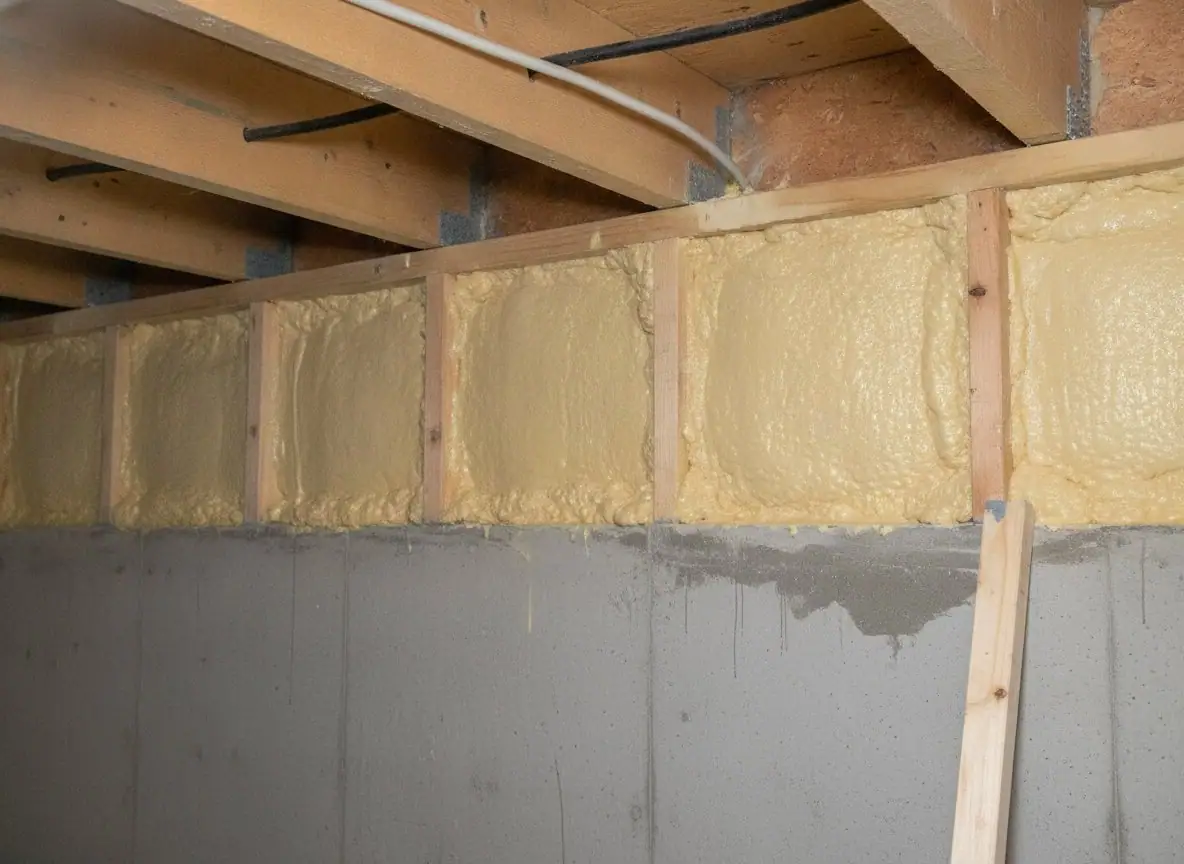
Understanding Crawl Space Encapsulation
Crawl space encapsulation is a building science practice that transforms an open, vented crawl space into a sealed, conditioned environment. The concept emerged from decades of research showing that traditional “vented” crawl spaces — long considered standard construction practice — actually introduce far more moisture problems than they solve, particularly in climates like Southern California’s where humidity levels fluctuate significantly between seasons and even between morning and afternoon hours.
A fully encapsulated crawl space typically involves several integrated components: a reinforced polyethylene vapor barrier (usually 12 to 20 mils thick) sealed to the foundation walls and footings, closed-cell spray foam or rigid foam insulation applied to the interior foundation walls, sealing of all vents and penetrations, and often a dehumidifier or conditioned air supply to maintain stable interior conditions. The goal is to bring the crawl space inside the building’s thermal and moisture envelope.
Historically, building codes in California required foundation vents to allow cross-ventilation beneath homes — a practice rooted in humid East Coast building traditions that was applied broadly across the country without considering regional climate differences. As building science evolved through the 1990s and 2000s, researchers at institutions like the Florida Solar Energy Center and Oak Ridge National Laboratory documented that sealed crawl spaces consistently outperformed vented ones in terms of moisture control, energy efficiency, and indoor air quality.
In Irvine specifically, the city’s rapid development beginning in the 1960s under the Irvine Company’s master plan produced tens of thousands of single-family homes and townhouses with crawl spaces that were built to older vented standards. Many of these homes, now 30 to 60 years old, have original vapor barriers that have deteriorated, torn, or were never properly installed. The city’s mix of slab-on-grade and raised-foundation construction means that crawl space encapsulation is a relevant service for a significant portion of Irvine’s approximately 90,000 housing units — particularly those built in the 1970s through 1990s in communities like Turtle Rock, El Camino Real, and Northpark.
Understanding whether your home needs encapsulation starts with recognizing what happens inside an unprotected crawl space over time. Soil moisture evaporates upward, wood framing absorbs humidity, insulation sags and loses effectiveness, and conditions become ideal for mold, rot, and pest activity — all of which eventually affect the comfort and health of the living spaces above.
Why Crawl Space Encapsulation Is Needed in Irvine, CA
Marine Layer and Coastal Humidity
Irvine sits roughly 10 to 12 miles inland from the Pacific Ocean, close enough to receive regular marine layer intrusion, especially from May through September — a period locals call “June Gloom.” During these months, overnight relative humidity in Irvine regularly climbs above 85 to 90 percent, with some mornings seeing near-saturation conditions at ground level. This moisture saturates the soil beneath raised-foundation homes, and without an effective vapor barrier, it evaporates directly into the crawl space. The South Coast Air Quality Management District has documented that this coastal marine influence extends well into inland Orange County, affecting communities from Newport Beach north through Irvine and into the Irvine Spectrum area.
Santa Ana Wind Events and Moisture Cycling
Compounding the marine layer issue are Santa Ana wind events, which typically occur from October through March and bring extremely low relative humidity — sometimes dropping below 10 percent — and elevated temperatures. These rapid swings between high-humidity marine conditions and extreme dry Santa Ana periods cause wood framing and subfloor materials to expand and contract repeatedly, accelerating deterioration. The October 2007 Santiago Fire, driven by Santa Ana winds reaching 100 mph in parts of Orange County, highlighted how dramatically these wind events can change atmospheric conditions throughout the Irvine area in a matter of hours.
Irvine’s Clay-Rich Soils
Much of Irvine is underlain by expansive clay soils classified as Huerhuero clay loam and Calleguas clay in USDA soil surveys for the area. These soils retain moisture exceptionally well, holding water near the surface long after rain events — Irvine averages approximately 12 to 14 inches of rainfall annually, primarily concentrated between November and March. When these clay soils are saturated, they can hold ground moisture for weeks or months, providing a persistent vapor source beneath homes. Neighborhoods built on the hillside terraces of Turtle Rock and Quail Hill sit on particularly challenging soil profiles where seasonal moisture retention is most pronounced.
Aging Housing Stock and Original Construction Deficiencies
A large portion of Irvine’s raised-foundation homes were built between 1965 and 1995, during which time crawl space vapor barriers were either minimal (6-mil polyethylene sheets simply laid on soil without sealing) or absent entirely. Building inspections conducted in older Irvine neighborhoods like University Park and Walnut Village commonly reveal original vapor barriers that have degraded into brittle fragments, leaving soil fully exposed. These conditions, combined with Irvine’s clay soil moisture retention and regular marine humidity, create persistent elevated moisture readings of 60 to 80 percent relative humidity inside crawl spaces — well above the 50 percent threshold at which mold growth accelerates.
Energy Code and Home Efficiency Pressures
California’s Title 24 Energy Code has grown increasingly stringent, and Irvine’s mild but variable climate means that unencapsulated crawl spaces represent a significant source of energy loss through conductive heat transfer and air infiltration. Homes in the 92612, 92614, and 92620 ZIP codes frequently show crawl space air leakage contributing 15 to 25 percent of total building energy loss, making encapsulation one of the highest-return energy upgrades available to Irvine homeowners.
Free, no-obligation estimates
Talk to Home Energy Saver Insulation
Tell us what you need and we’ll take it from there.
Signs You Need Crawl Space Encapsulation in Irvine
Moisture and Odor Indicators
- Musty or earthy odors inside the home, particularly at floor level or in rooms above the crawl space
- Visible condensation on cold water pipes or HVAC ducts in the crawl space
- Standing water or wet soil visible through the crawl space access hatch after winter rains
- White efflorescence deposits on foundation walls indicating long-term moisture wicking
Structural and Material Warning Signs
- Sagging, discolored, or falling batt insulation beneath the floor joists
- Soft spots, springiness, or creaking in hardwood or engineered flooring above the crawl space
- Visible mold or dark staining on wood joists, sill plates, or subfloor sheathing
- Wood rot on floor joists or posts — often found near foundation vents where condensation is heaviest
Comfort and Energy Bill Indicators
- Cold floors in winter despite adequate heating — common in Irvine homes during December through February when overnight lows drop into the 40s
- Unexplained increases in heating or cooling costs
- Uneven temperatures between floors or rooms, suggesting conditioned air loss through the floor system
Pest Activity Indicators
- Evidence of rodent droppings, nesting materials, or gnawed insulation in the crawl space
- Increased insect activity, particularly subterranean termites, which thrive in moist wood conditions
If you observe any of these signs, prompt action is recommended. Moisture damage to wood framing compounds over time and can lead to costly structural repairs if left unaddressed.
Crawl Space Encapsulation Methods and Approaches
Full Encapsulation with Conditioned Air Supply
The most comprehensive approach, this method seals the crawl space completely and connects it to the home’s HVAC system with a small supply duct. Best suited for larger Irvine homes in communities like Shady Canyon or Quail Hill with expansive crawl spaces where passive dehumidification is insufficient. This approach brings the crawl space fully within the building’s conditioned envelope for maximum moisture and energy control.
Full Encapsulation with Standalone Dehumidifier
The most common solution for Irvine’s mid-size single-family homes. A sealed vapor barrier system combined with a dedicated crawl space dehumidifier (typically 70 to 90 pint capacity) provides reliable moisture control independent of the home’s HVAC system. This is particularly effective in Northpark and Woodbridge neighborhoods where homes range from 1,500 to 2,500 square feet.
Partial Encapsulation with Enhanced Vapor Barrier
For homes where budget constraints apply or where the crawl space has minimal moisture issues, upgrading to a high-mil vapor barrier with sealed seams and foundation wall coverage provides meaningful improvement over original construction without the full cost of complete encapsulation. Explore our crawl space insulation services that complement this approach.
Encapsulation Combined with Rodent Proofing
In Irvine neighborhoods adjacent to open space preserves — including areas near the Irvine Ranch Natural Landmarks and William Mason Regional Park — rodent intrusion into crawl spaces is a frequent issue. We offer integrated rodent exclusion work as part of the encapsulation process. Learn about our rodent proofing services for combined treatment options.
Remediation and Re-Encapsulation
For older Irvine homes where a previous encapsulation has failed, we provide complete removal of the old system and installation of new materials, addressing any structural or mold issues discovered during removal.
Crawl Space Encapsulation Cost in Irvine, CA
Understanding the cost of crawl space encapsulation in Irvine helps homeowners plan and budget appropriately. Pricing varies based on crawl space size, existing conditions, and the scope of work required.
Typical Price Ranges
- Basic vapor barrier upgrade (existing debris removal + new 12-mil barrier): $1,500 – $3,000 for a typical Irvine home with 800–1,200 sq ft crawl space
- Standard full encapsulation (vapor barrier + foundation wall insulation + vent sealing): $3,500 – $6,500 for most Irvine single-family homes
- Complete encapsulation with dehumidifier installation: $5,500 – $9,000 depending on dehumidifier capacity and crawl space access conditions
- Remediation + re-encapsulation (mold treatment + full system): $7,000 – $14,000 for homes with significant existing damage
Read moreShow less
Key Cost Factors in Irvine
- Crawl space height: Many Irvine homes built in the 1970s have low-clearance crawl spaces of 18 to 24 inches, which increase labor time and cost
- Access difficulty: Some Irvine townhomes and planned community homes have restricted crawl space access hatches requiring additional setup time
- Existing moisture damage: Homes in areas with clay soil moisture issues may require structural drying or wood treatment before encapsulation
- Crawl space square footage: Irvine homes range widely; larger homes in Turtle Rock Crest or Shady Canyon may have crawl spaces exceeding 2,000 sq ft
- Mold remediation: If present, adds $500 – $3,000 depending on extent
Irvine homeowners should note that California’s Title 24 energy compliance requirements and local building permit fees (typically $150 – $350 in the City of Irvine for this scope of work) may add to total project costs. We provide detailed written estimates before any work begins.
Call 949-710-2596 for a free on-site estimate tailored to your home’s specific conditions.
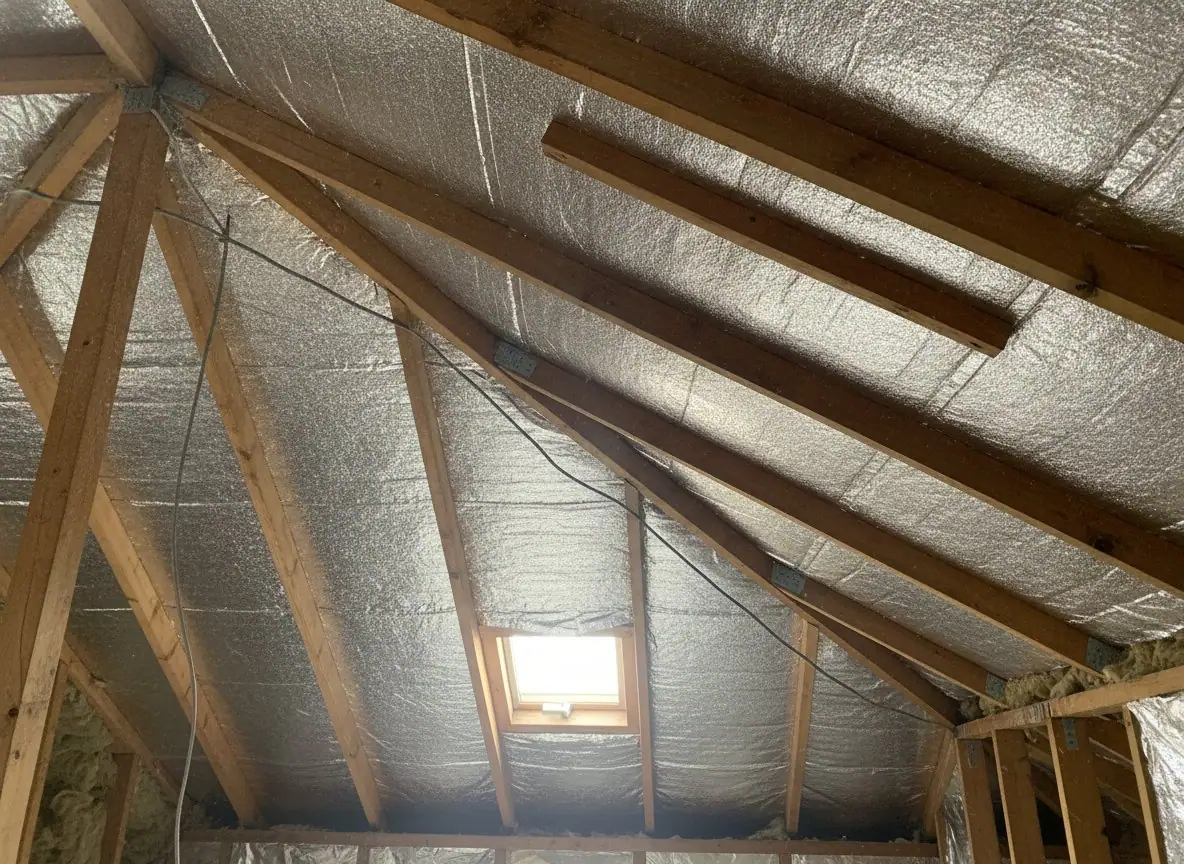
Crawl Space Encapsulation Services Across Irvine Neighborhoods
Turtle Rock (Built 1970s–1980s)
One of Irvine’s earliest planned villages, Turtle Rock features hillside single-family homes on expansive clay soils that retain seasonal moisture. Many homes here have original 6-mil vapor barriers in poor condition. The hillside grading also creates varying crawl space depths that require customized barrier installation approaches.
Woodbridge (Built 1970s–1990s)
Woodbridge’s large inventory of two-story homes with raised foundations frequently shows moisture intrusion patterns related to the community’s proximity to its signature lakes and water features. The elevated ambient humidity near these water bodies accelerates crawl space moisture problems. Woodbridge homeowners also frequently benefit from our attic insulation services.
University Park (Built 1960s–1970s)
As one of Irvine’s oldest communities, University Park homes often have the most deteriorated original crawl space conditions. Many properties require full remediation before new encapsulation systems can be installed. Original vapor barriers in this neighborhood are routinely found to have disintegrated entirely.
Northpark and Northwood (Built 1980s–2000s)
These communities include a mix of crawl space and slab-on-grade homes. Raised-foundation homes in Northpark and Northwood benefit from encapsulation to address moisture from Irvine’s clay soil layer and to meet modern energy efficiency standards.
Quail Hill (Built 2000s)
Quail Hill’s newer construction means better original barrier quality, but the community’s proximity to open space creates elevated rodent pressure. Encapsulation combined with rodent exclusion is the most common service combination in this area.
Crawl Space Encapsulation Maintenance Tips for Irvine Homeowners
After encapsulation, proper maintenance preserves the system’s effectiveness through Irvine’s seasonal climate cycles:
- Annual visual inspection: Inspect your crawl space every fall before Irvine’s November–March rainy season begins. Look for any tears, lifted seams, or displaced sections of vapor barrier.
- Post-rain check: After significant storm events — Irvine can receive 1 to 3 inches in a single winter storm — check for any signs of water intrusion or pooling near foundation walls.
- Dehumidifier maintenance: If a dehumidifier is installed, clean or replace the filter every 3 to 6 months and confirm the drainage line is clear, particularly during summer marine layer season.
- Monitor moisture readings: Keep a wireless hygrometer in the crawl space and alert yourself if readings exceed 55 percent relative humidity for extended periods.
- Check foundation vent seals annually: Confirm that sealed vents remain intact after Santa Ana wind events, which can create negative pressure on building envelopes.
- Inspect for pest activity: Given Irvine’s proximity to natural open space, check quarterly for any signs of rodent entry at foundation penetrations or utility entries.
- Clear exterior drainage: Ensure gutters and downspouts direct water away from the foundation to reduce soil saturation near your crawl space, especially important for Turtle Rock and Quail Hill hillside properties.
Why Choose Home Energy Saver Insulation for Crawl Space Encapsulation in Irvine
Home Energy Saver Insulation is a professional insulation contractor with deep expertise in Southern California’s unique building and climate conditions. Our team has hands-on experience with the specific challenges Irvine homeowners face — from marine layer humidity to clay soil moisture, aging Irvine Company-era construction, and California Title 24 compliance requirements.
We provide comprehensive crawl space solutions that go beyond simply laying a vapor barrier. Every encapsulation project is designed as a complete moisture management system, integrating vapor control, insulation, air sealing, and where needed, active dehumidification into a cohesive whole that protects your home and improves your comfort.
Read moreShow less
Our service extends across all Irvine neighborhoods, and we offer attic cleaning, blown-in insulation, fiberglass insulation, and rodent proofing as complementary services that address your home’s complete building envelope. When you call us, you speak with knowledgeable technicians who understand Irvine’s homes, not a call center.
Contact us at 949-710-2596 to schedule your free inspection today.
FAQ
Frequently Asked Questions: Crawl Space Encapsulation in Irvine, CA
How much does crawl space encapsulation cost in Irvine, CA?
In Irvine, most homeowners pay between $3,500 and $9,000 for a complete crawl space encapsulation, depending on crawl space size, existing moisture conditions, and whether a dehumidifier is included. Homes in older neighborhoods like University Park or Turtle Rock with deteriorated original barriers and possible mold remediation may fall at the higher end of this range. We provide detailed written estimates after a free on-site inspection.
How long does crawl space encapsulation take in Irvine?
Most Irvine single-family homes are completed in 1 to 3 days. Smaller crawl spaces with straightforward conditions can be done in a single day. Larger homes with low clearance, significant moisture damage, or mold remediation requirements may take up to 3 days. We schedule work to minimize disruption to your household.
Does Irvine require a building permit for crawl space encapsulation?
In many cases, yes. The City of Irvine may require a permit for crawl space encapsulation work, particularly when foundation vents are being permanently sealed or when insulation is being added to foundation walls, as these changes affect the building’s energy compliance status under California Title 24. Permit fees in Irvine typically run $150 to $350 for this type of work. We advise clients on permit requirements during the estimate process.
Will encapsulation eliminate musty odors in my Irvine home?
In most cases, yes. Musty odors in Irvine homes are typically caused by mold or mildew growing in moist crawl space conditions. By eliminating the moisture source through encapsulation, and treating any existing mold on wood surfaces, odors typically dissipate within weeks of completing the project. Persistent odors after encapsulation may indicate a separate source requiring investigation.
Is crawl space encapsulation worth it in Southern California’s dry climate?
Irvine’s climate is frequently mischaracterized as uniformly dry. In reality, the marine layer brings near-saturation humidity to ground level on many mornings from May through September, and the city’s clay soils retain moisture from winter rains for months. These conditions make crawl space moisture management just as important in Irvine as in more traditionally humid climates. Homeowners typically see reduced energy bills, improved indoor air quality, and protection against costly structural repairs as measurable returns on investment.
How does crawl space encapsulation affect my home’s energy efficiency?
Encapsulation reduces two major sources of energy loss: air infiltration through the floor system and conductive heat loss through uninsulated foundation walls. In Irvine, where mild winters still require heating and summers can push temperatures into the 90s, these savings are meaningful. Studies of similar Southern California homes show energy bill reductions of 10 to 20 percent after full encapsulation, depending on baseline conditions.
Can I combine crawl space encapsulation with other insulation work?
Absolutely. Many Irvine homeowners choose to address both their crawl space and attic during the same project, maximizing whole-home energy performance and reducing total mobilization costs. We offer attic insulation, spray foam insulation, and insulation removal as companion services. Bundling services often provides better overall value.
How do I know if my Irvine home has a crawl space or slab foundation?
Most Irvine homes built before approximately 1990 have raised foundations with crawl spaces, while many newer developments — particularly condos and townhomes in areas like Irvine Spectrum Center and Portola Springs — are slab-on-grade. If you have an access hatch in a hallway floor, exterior wall, or closet, you likely have a crawl space. Our inspectors can confirm your foundation type and assess conditions at no cost during the initial visit.
Schedule Your Free Crawl Space Inspection in Irvine Today
Don’t let moisture, mold, or poor insulation undermine your Irvine home’s health, comfort, and value. Home Energy Saver Insulation provides professional crawl space encapsulation services tailored to Irvine’s unique marine climate, clay soils, and older housing stock. Whether you’re in Turtle Rock, Woodbridge, Northwood, or anywhere across Irvine’s 66 square miles, our team is ready to protect your home from the ground up.
Contact us today for your free, no-obligation crawl space inspection and written estimate:
- Phone: 949-710-2596
- Service Area: All Irvine, CA neighborhoods
Call now and take the first step toward a healthier, more energy-efficient home.
Get in touch
Find insulation help near you
Request a free estimate online or give us a call — our team will follow up quickly.
- Call us(949) 710-2596
- Visit22 Thomas, Irvine, CA 92618
- HoursMon-Sun 07:00-19:00